Bacteriostatic Water vs Sterile Water Difference Explained
A clear breakdown of the bacteriostatic water vs sterile water difference, covering composition, shelf handling, and why listings distinguish between the two.
Anthony Russo, DO, MS is a Doctor of Osteopathic Medicine with a Master of Science in clinical research whose background spans regenerative medicine and peptide therapeutics.
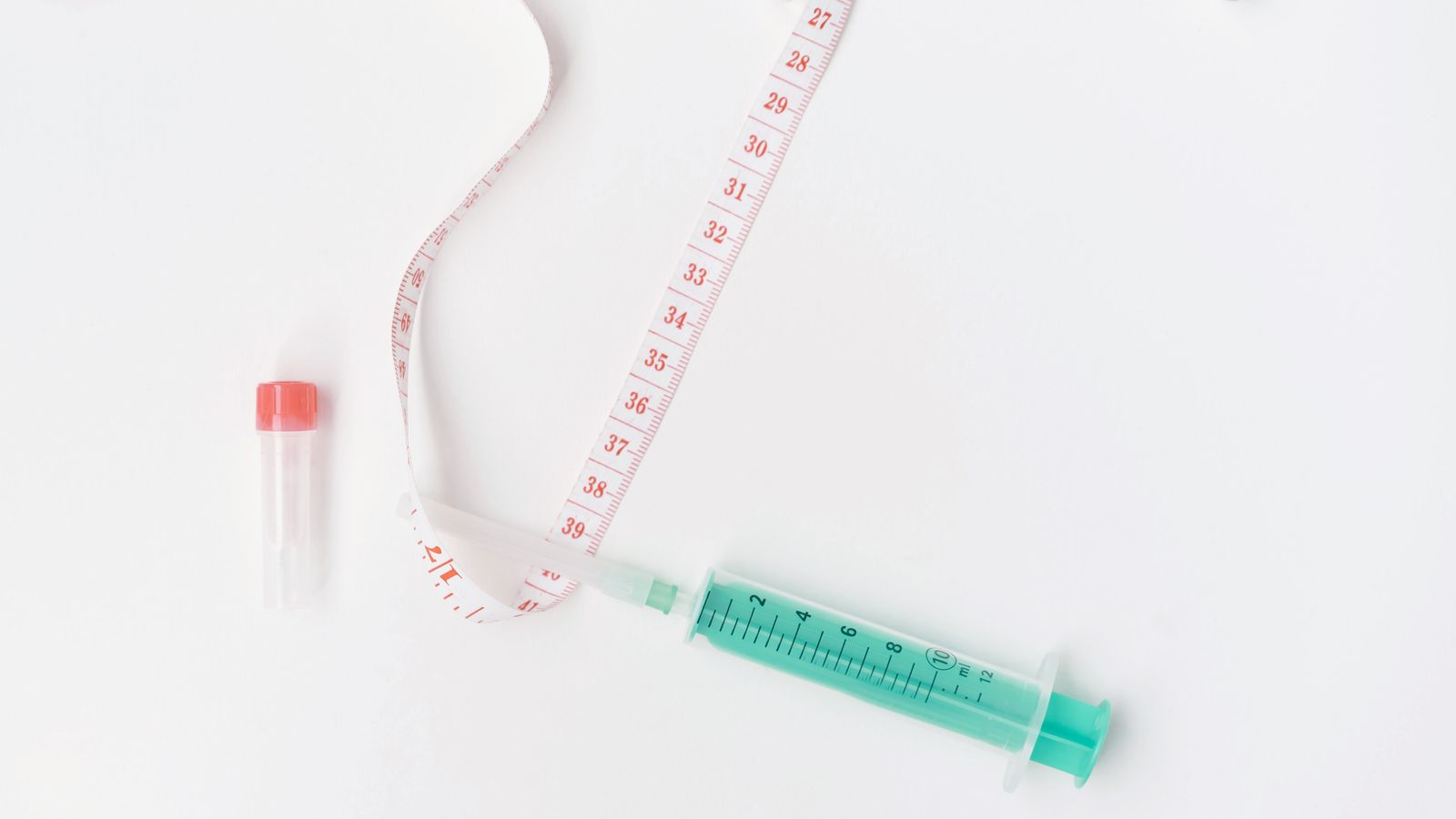
The bacteriostatic water vs sterile water difference comes down to one added ingredient: bacteriostatic water contains a small percentage of benzyl alcohol as a preservative, while sterile water contains nothing but water. That single additive changes how each is described in listings, how long an opened container is treated as usable, and which one appears next to which compounds in a catalogue.
What Each Term Actually Means
Sterile water is water that has been purified and sealed under conditions that eliminate microbial contamination at the time of packaging. Once a vial of sterile water is opened, however, it offers no ongoing protection against contamination introduced from that point forward. It is a single-use diluent in most listing descriptions, meaning a vial is treated as good for one draw or one short window before disposal.
Bacteriostatic water starts from the same purified, sterile base but has a small amount of benzyl alcohol added, typically around 0.9%. Benzyl alcohol is a preservative that inhibits bacterial growth inside the vial after the seal has been punctured. This is why listings describe bacteriostatic water as suited to multi-draw use over a longer window, while plain sterile water is not.
Neither term describes the compound being dissolved. Both are diluents — carriers used to bring a lyophilized (freeze-dried) substance into solution so it can be measured and drawn. The choice between them is a property of the water, not the peptide or protein it accompanies.
Why Listings Separate the Two
Catalogue pages that stock both diluents usually differentiate them for a practical reason: multi-dose handling. A vial that will be punctured once and used up in a short period has different storage guidance than a vial expected to be punctured repeatedly over days or weeks. Bacteriostatic water’s preservative content is what allows listings to describe it in the context of repeated access, since the benzyl alcohol addresses contamination risk introduced by each puncture. Sterile water listings, by contrast, typically carry guidance closer to single-use handling, since there is no preservative buffering later punctures.
This distinction also explains why some compounds are paired specifically with sterile water in supplier documentation rather than bacteriostatic water. Certain lyophilized substances are documented as sensitive to benzyl alcohol, and manufacturer or supplier notes for those items will specify sterile water as the recommended diluent instead. Reading the specific product documentation rather than assuming one diluent works universally is the more accurate approach.
Comparing the Two Side by Side
| Property | Bacteriostatic Water | Sterile Water |
|---|---|---|
| Base composition | Purified water, sterile-filled | Purified water, sterile-filled |
| Added preservative | ~0.9% benzyl alcohol | None |
| Typical listing use case | Multi-draw, repeated access over time | Single-use or short-window use |
| Benzyl alcohol sensitivity concerns | Not suited to benzyl-alcohol-sensitive compounds | No preservative sensitivity issue |
| Common vial puncture handling in listings | Described as usable for several draws | Described as used up promptly after opening |
How Concentration Math Works the Same Way for Both
Regardless of which diluent a listing pairs with a compound, the arithmetic for calculating concentration after reconstitution is identical, because both are just water by volume. Concentration is calculated as the total mass in the vial divided by the volume of diluent added.
As a worked example: a vial listed at 5 mg, reconstituted with 2 mL of diluent (bacteriostatic or sterile — the math does not change), produces a concentration of 5 mg ÷ 2 mL = 2.5 mg/mL. Converting that to micrograms, since 1 mg equals 1000 mcg, gives 2500 mcg/mL. On a U-100 insulin syringe, where the barrel is marked in units and 1 mL equals 100 units, each unit drawn on that syringe corresponds to 2500 mcg ÷ 100 = 25 mcg. Doubling the diluent to 4 mL instead of 2 mL would halve every one of those figures, since concentration and volume are inversely related when the total mass in the vial stays fixed.
This is also where a calculator reference such as peptcalc.com is sometimes used alongside manual math, purely as a way to double-check the same division before recording a figure on a vial label.
Reading a Listing Correctly
When a listing specifies “bacteriostatic water” as the recommended diluent for a given compound, that specification is usually tied to the compound’s documented stability profile and the expected number of draws, not a generic default. Swapping in sterile water where bacteriostatic is specified, or the reverse, changes the handling profile of the reconstituted vial even though the volume math stays the same. Suppliers that carry both diluents, such as the bacteriostatic water listing from HEEZ Research, generally separate them into distinct catalogue items precisely because the choice is compound-specific rather than interchangeable by default.
Some buyers also cross-reference pricing and diluent pairings across multiple catalogues before ordering, which is part of why comparison-focused resources like peptidescost.us exist alongside straightforward listing sites like peptideonline.org — the diluent line item is small on a per-vial basis but adds up across a recurring order.
Summary
The bacteriostatic water vs sterile water difference is the presence of benzyl alcohol as a preservative in bacteriostatic water, which supports repeated vial access over time, versus its absence in sterile water, which supports single-use or short-window handling. Both dilute a lyophilized substance by the same volume-based math, so concentration calculations don’t change based on which diluent a listing specifies — what changes is how the vial is expected to be handled once it has been opened, and whether the compound being reconstituted is documented as sensitive to the preservative itself.